

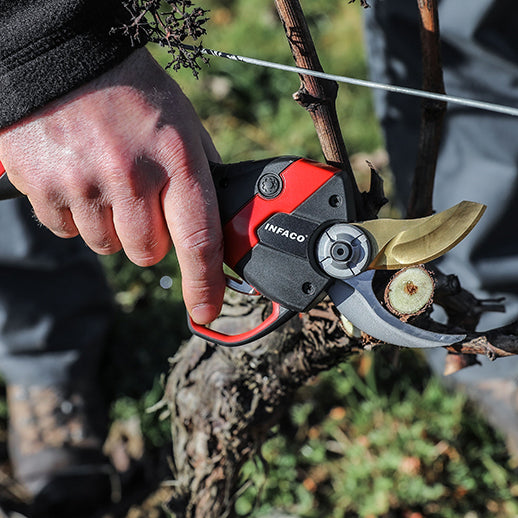
Top Battery Pruning Shears Every Gardener Must Have

Pruning is a defining task in agriculture. It shapes plant health, determines productivity, and influences the long-term balance of vineyards, orchards, and nut groves. But pruning is also repetitive, physically demanding, and labor-intensive.
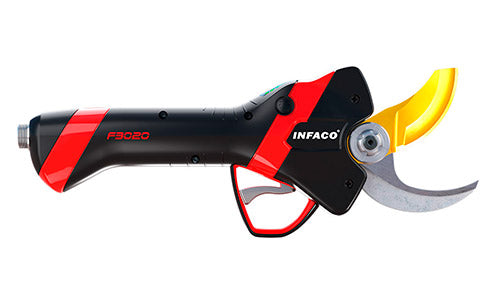
Battery pruning shears have changed the game. By combining the sharpness of manual blades with the efficiency of electric assistance, they reduce fatigue, deliver consistent cuts, and improve overall productivity.
This guide compares different categories of battery pruning shears, explains the features that matter most, and highlights broader impacts, from worker safety to sustainability, so professionals and advanced gardeners can make the best choice in 2025.
Entry-Level vs Professional Shears: Understanding the Market
Battery pruning shears are not all designed for the same users. The market divides into three clear categories:
Entry-Level (Garden Use)
-
Cutting capacity: ~15–25 mm.
-
Battery life: 2-3 hours.
-
Designed for small tasks like shrubs, roses, or young trees.
-
Inexpensive but unsuitable for continuous agricultural use.
Semi-Professional (Hobby Orchards, Small Vineyards)
-
Cutting capacity: ~25–35 mm.
-
Battery life: 4–6 hours.
-
A good fit for part-time growers or family-owned vineyards.
-
Some models include ergonomic grips, but advanced safety is rare.
Professional (Vineyards, Orchards, Nut Groves)
-
Cutting capacity: 30–45 mm, expandable to 55 mm with interchangeable heads.
-
Battery autonomy: 7–9 hours, often with hot-swappable packs.
-
Integrated wireless safety sensors, reinforced parts, and structured maintenance programs.
👉 The difference is scale: casual tools are fine for gardens, but commercial agriculture requires durability, safety, and all-day autonomy.

Battery Pruning Shears: Key Features That Define Quality in 2025
Cutting Capacity & Interchangeable Heads
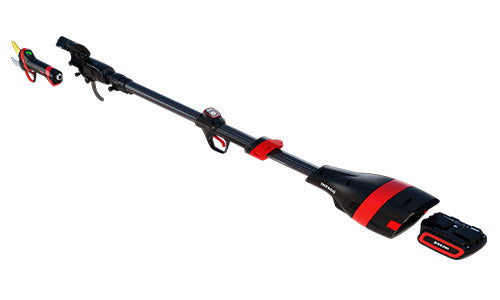
Capacity defines what a shear can handle. Light-duty models cut thin branches, while professional tools manage thick hardwood. Interchangeable heads make one shear adaptable across vineyards, orchards, and nut groves, an efficient alternative to maintaining multiple tools.
For a deeper look at how professionals evaluate cutting capacity and tool adaptability, see our guide on the Best Cordless pruner.
Battery Autonomy & Energy Management
For professionals, autonomy is critical. A shear should last an entire workday, with hot-swapping batteries available to avoid downtime. Charging speed also matters: 80% in about two hours is standard for high-quality lithium packs. Entry-level batteries, limited to short sessions, are better suited to hobbyists.
Ergonomics & Worker Health
Thousands of repetitive motions can strain wrists, shoulders, and backs. Ergonomic shears weighing under 1 kg reduce this risk. Adjustable blade openings and multiple speed settings add further comfort. Research from UC Davis confirms that ergonomically designed tools help reduce musculoskeletal disorders (MSDs), a leading cause of absenteeism in agriculture.
Safety Systems
Professional shears increasingly include wireless safety systems that instantly stop blades when a hand is detected. This reduces accidents and reassures farm managers responsible for worker safety. Entry-level tools often lack these protections, making them unsuitable for heavy-duty use.
Durability & Serviceability
Tools are an investment. Professional shears feature reinforced gears, replaceable blades, and access to structured maintenance programs. This extends lifespan, lowers long-term costs, and prevents breakdowns during critical pruning windows.
The Impact on Plant Health

Battery pruning shears are not just about speed and comfort, they also affect plant physiology.
-
Clean cuts: Electric assistance ensures sharp, even cuts, reducing the risk of ragged wounds.
-
Faster healing: Smooth cuts heal more quickly, minimizing infection risk and improving long-term vine vigor.
-
Consistent angles: Adjustable opening modes help standardize cuts, which is especially valuable in vineyards where consistency influences yield.
According to the International Organisation of Vine and Wine (OIV), proper pruning practices directly affect crop health and harvest quality. Using precise shears contributes to both.
Practical Conditions: Cold, Heat, and Terrain
Pruning does not happen in a controlled environment. Professionals face diverse conditions:
-
Cold weather: Batteries may drain faster. Quality packs include temperature management systems to stabilize performance.
-
Hot climates: Lightweight shears prevent overheating for workers already exposed to high field temperatures.
-
Slopes and uneven terrain: Ergonomically balanced shears make long hours in vineyards on hillsides more manageable.
These practical conditions highlight why entry-level tools often fall short. Professional shears are engineered for resilience in real agricultural settings.
Comparative Matrix: Matching Shears to Contexts
|
Context |
Recommended Features |
Typical Capacity |
Notes |
|
Vineyards |
Lightweight, fast cycles, ergonomic grip |
30–45 mm |
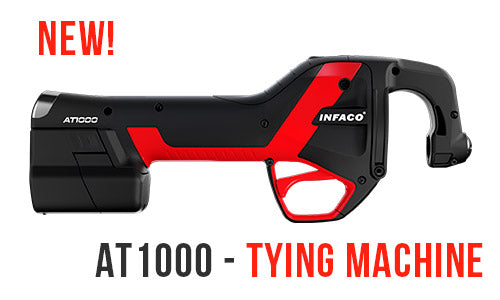
Often paired with tying systems for canopy management |
|
Orchards |
Wide blade opening, torque, interchangeable heads |
35–45 mm |
Handles older branches in apples and pears |
|
Nut Groves |
High torque, reinforced build, hot-swappable batteries |
40–55 mm |
Needed for dense wood like hazelnut and walnut |
|
Gardens |
Compact, ergonomic, 2–3h battery |
15–25 mm |
Suitable for roses, shrubs, young trees |
ROI and Total Cost of Ownership
Professionals evaluate tools on return on investment (ROI), not just purchase price.
-
Labor savings: Faster pruning reduces the number of workers needed.
-
Reliability: Well-maintained shears prevent costly downtime.
-
Durability: Serviceable models last many seasons, lowering replacement frequency.
Total cost of ownership also includes battery lifespan. Replaceable lithium packs extend usefulness, while disposable tools often prove more expensive in the long run.
Market Trends in 2025 and Beyond
Several trends are reshaping pruning tools:
-
Eco-designed batteries: recyclable materials, extended lifecycles, and compliance with sustainability standards.
-
Smart monitoring: some systems track cuts per day, battery cycles, and service intervals.
-
Safety regulation: wireless detection systems may soon become mandatory in professional equipment.
-
Integration into connected farming: pruning data could feed into vineyard management software for better forecasting.
These shifts show how pruning shears are evolving into components of larger digital and sustainable ecosystems.
Checklist: Choosing the Right Shear
-
Capacity: 30-45 mm standard; up to 55 mm with interchangeable heads.
-
Battery: 7-9 hours autonomy, quick recharge, hot-swapping for continuous use.
-
Weight: ideally under 1 kg for long sessions.
-
Safety: certified wireless detection systems.
-
Durability: reinforced build, structured maintenance programs.
-
Fit: entry-level for gardens, professional-grade for agriculture.
FAQ: Battery Pruning Shears
Q: How do battery shears differ from manual shears?
Battery shears reduce repetitive strain by using motorized power instead of manual force. This means faster work, cleaner cuts, and reduced fatigue, particularly valuable in vineyards and orchards where thousands of cuts are required each season.
Q: How long does a battery typically last?
Professional lithium-ion packs last 7–9 hours, supporting full-day shifts. Hot-swappable systems allow uninterrupted work. Entry-level batteries last 2–3 hours, adequate for small gardens but insufficient for professional operations.
Q: Do all battery pruning shears include safety sensors?
No. Entry-level models usually lack advanced safety. Professional-grade tools increasingly feature wireless hand detection systems that stop blades instantly when contact is detected.
Q: Are interchangeable cutting heads important?
Yes. They allow one tool to serve multiple purposes: delicate vineyard cuts, thicker orchard branches, and dense nut wood. This adaptability improves return on investment and reduces tool redundancy.
Q: How does pruning shear design affect plant health?
Clean, precise cuts improve wound healing and reduce the risk of disease entry. Inconsistent manual cuts often leave ragged edges that slow healing. Battery pruning shears provide uniform precision, supporting healthier long-term growth.
Q: Can battery pruning shears support sustainable farming?
Yes. Eco-designed batteries, recyclable components, and compatibility with biodegradable accessories align with sustainability programs such as GlobalG.A.P. and Napa Green, as well as OIV guidelines for responsible vineyard management.
Conclusion: The Right Tool for the Right Scale
Battery pruning shears have become essential in both agriculture and advanced gardening. From vineyards to nut groves, they reduce physical strain, improve cut quality, and support consistent productivity.
The right choice depends on scale. Gardeners benefit from compact, entry-level tools, while professionals need shears with greater cutting capacity, full-day autonomy, advanced safety, and structured service options.
What unites them is impact: better plant health, safer workers, and long-term economic value. In an industry where every detail matters, battery pruning shears are more than tools, they are strategic assets for sustainable farming.
For further insights, see resources from the International Organisation of Vine and Wine (OIV) and UC Agriculture & Natural Resources.


